The short answer
It depends on the type. A standard, off-the-shelf conservatory from a specialist installer rarely needs an architect — the supplier designs and builds it, and many conservatories are exempt from building regulations and fall under permitted development. A bespoke orangery or a design-led glazed extension that ties into the house and creates a proper room is closer to an extension, and an architect is more worth it — usually a fixed fee for design and drawings, or a percentage of build cost for a full service. The dividing line is roughly whether it's a bolt-on glazed structure (installer territory) or an integrated, year-round room (architect territory). The fee, where there is one, is separate from the build cost, any structural engineer, the planning fee and Building Control.
Conservatories and orangeries span a wide range, from a catalogue glazed box to a bespoke architectural room, and whether you need an architect depends on which end you're at. Here's how to tell.
Architect cost — orangery / conservatory
- Off-the-shelf conservatoryUsually no architect
- Bespoke orangeryArchitect often worth it
- If usedFixed fee or % of build
- Building regsConservatories often exempt
- DriverBolt-on vs integrated room
Conservatory versus orangery — why it matters
The terms overlap, but the practical difference decides whether you need an architect:
- Conservatory: typically a mostly-glazed structure, often from a specialist installer, frequently separated from the house by external-quality doors. Many conservatories meet conditions that make them exempt from building regulations and fall under permitted development. The installer handles design and build, so a separate architect is usually unnecessary.
- Orangery: a more substantial structure with more solid walls, a flat or lantern roof, and a brick or rendered base — closer to a glazed extension. It's usually an integrated, year-round room, which means it's more likely to need building-regulations approval and benefits from proper design.
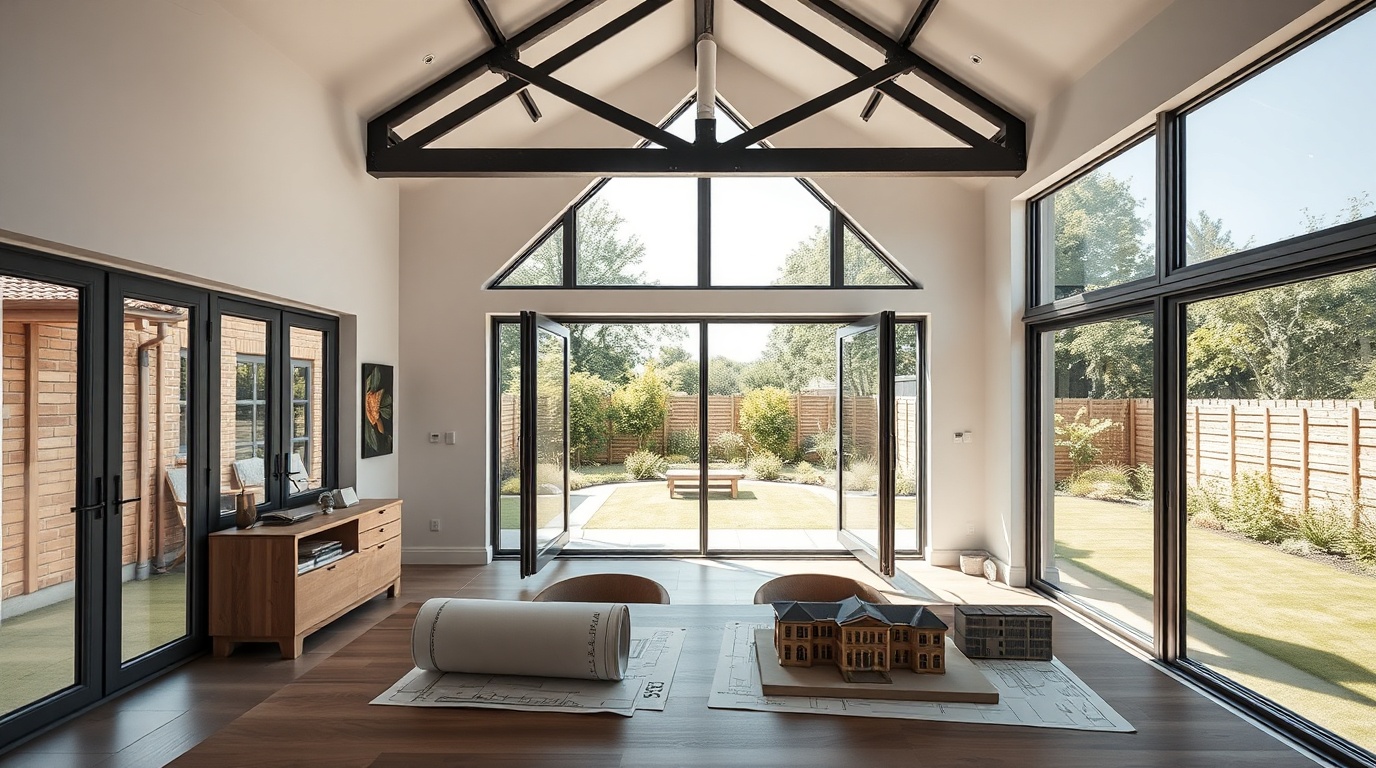
- Design-led glazed extension: at the architectural end, a contemporary glazed room that opens the house to the garden — firmly architect territory.
The more the glazed room behaves like a real extension — integrated with the house, used year-round, structurally and thermally part of the building — the more an architect adds.
Fees and when they apply
For an off-the-shelf conservatory there's usually no architect fee at all. For a bespoke orangery or glazed extension, expect a fee like other extension work. The build cost is the main expense in every case.
| Type | Architect fee? | Building regs? |
|---|---|---|
| Off-the-shelf conservatory | Usually none | Often exempt |
| Bespoke orangery | Fixed fee or % of build | Usually required |
| Glazed/design-led extension | Fixed fee or % of build | Required |
| Part of larger remodel | Architect worth it | Required |
Indicative UK guide for guidance only. Excludes the build cost and VAT. Source: Planning Portal and Checkatrade cost guides.
How to decide which route you need
Start by being honest about how you'll use the space. If you want a seasonal, lightly-used glazed room that's separated from the house, a reputable conservatory installer can usually design and build it without a separate architect, and you may avoid building regulations entirely if it meets the exemption conditions. That's a sensible, lower-cost route for what it is.
If you want a proper room you'll use all year — comfortable in winter, visually part of the house, opening onto the garden — then you're really building an extension with a lot of glass, and the design matters. Getting the proportions, the roof (a lantern or flat roof transforms the feel), the thermal performance and the connection to the existing rooms right is what separates an orangery that feels like a key part of the home from one that feels like a bolt-on. That's where an architect's fee is justified. The middle ground — a high-quality orangery from a specialist firm — can also work well if the firm's design is genuinely tailored and the building-regulations side is properly handled. Whichever route, confirm whether building regulations apply to your specific design, and budget the build cost as the main figure with any design fee on top.
The choices that make a glazed room work year-round
The difference between a glazed room you love and one you avoid in winter comes down to a few design decisions, and they're worth understanding whichever route you take:
- The roof: a lantern, a flat roof with rooflights, or a fully glazed roof each give a very different feel. A solid or part-solid roof with rooflights — the orangery approach — keeps the space usable in summer and winter far better than an all-glass conservatory roof, which can overheat and lose heat.
- Heating and thermal performance: a room you'll use all year needs proper heating and good glazing. This is also the line that often decides building regulations — an orangery integrated into the house and heated as a normal room usually has to meet the thermal standards a real extension does.
- How it connects to the house: a conservatory separated by external doors is treated as a separate, often unheated space; an orangery opened up to the existing rooms becomes part of the home and changes how the whole ground floor lives. That openness is what people usually want, and it's an architectural decision.
- Proportions and the base: the height of the walls, the size of the glazing and the brick or rendered base all decide whether the room reads as a considered part of the house or a bolt-on.
- Solar control and ventilation: blinds, glazing specification and opening lights stop a glazed room becoming a greenhouse in summer.
These are exactly the points where an architect's input shows on the design-led end of the spectrum, and where a good specialist orangery firm should also be able to demonstrate they've thought it through. On a simple seasonal conservatory, the installer's standard design handles most of this and a separate architect adds little. The honest test is your intended use: a year-round room justifies design attention to the roof, heating and connection; a lightly-used glazed space does not. Match the spend to the ambition, and confirm the building-regulations position for your specific design before you commit.
Frequently asked questions
Do I need an architect for a conservatory?
Usually not for a standard off-the-shelf conservatory — the specialist installer designs and builds it, and many conservatories are exempt from building regulations. An architect is more worth it for a bespoke orangery or a design-led glazed extension that's integrated with the house and used year-round.
Are conservatories exempt from building regulations?
Often, but only when they meet specific conditions on size, separation from the house, independent heating controls and safety glazing. An orangery used as a normal year-round room usually does not qualify and will need building-regulations approval. Check your specific design.
What's the difference between an orangery and a conservatory for fees?
A conservatory is typically a mostly-glazed, often seasonal structure handled by an installer, so usually no architect fee. An orangery is a more substantial, integrated room closer to a glazed extension, which benefits from architect design and usually needs building regulations, so a fee applies.
Sources & further reading
- Planning Portal — conservatories
- GOV.UK — building regulations approval
- Checkatrade — orangery cost guide
Figures on this page are typical UK ranges drawn from published sources and depend on your specific project. They are guidance, not a quotation.